Get Energy Audit Service
Energy audit services help property owners identify energy inefficiencies and recommend improvements for projects like insulation, HVAC systems, and lighting upgrades.
Energy audits are a practical step for property owners interested in understanding how their buildings use energy and identifying opportunities for efficiency improvements. Whether planning renovations, upgrades, or simply seeking to reduce ongoing costs, exploring options for professional energy assessment services can provide valuable insights. Local contractors who specialize in energy audits can help create a clear picture of current energy use, enabling informed decisions for future projects.
Property owners in the area may find it beneficial to compare different service providers to find the right expertise for their needs. Working with experienced local contractors ensures that assessments are tailored to the specific characteristics of the property. Continuing to read can help uncover how these services can support planning efforts and connect with qualified professionals in the community.
- Residential Energy Audits - homeowners seeking to identify ways to reduce energy bills and improve home efficiency.
- Commercial Energy Audits - businesses looking to optimize energy usage and lower operational costs.
- Industrial Energy Assessments - manufacturing facilities aiming to enhance energy management and reduce waste.
- Building Performance Evaluations - property managers wanting to assess building systems for better energy performance.
- Retrofit Energy Analysis - property owners planning upgrades to improve energy efficiency and compliance.
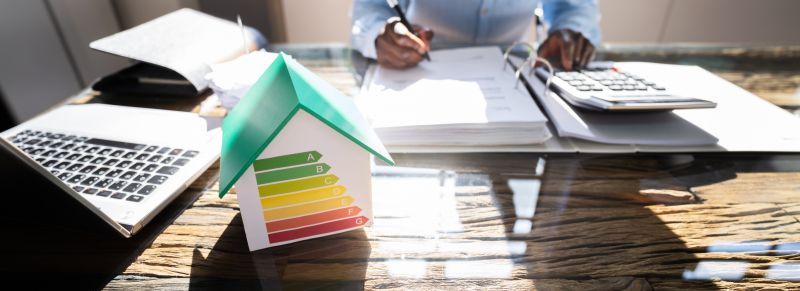
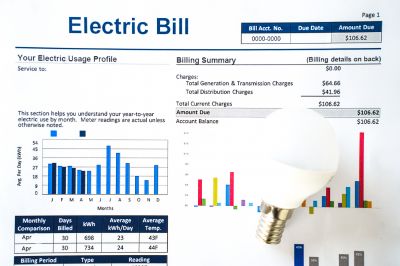
Energy audit services involve a comprehensive assessment of a property’s energy use and efficiency. A professional conducts a detailed inspection to identify areas where energy is being wasted, such as poor insulation, leaks, or outdated heating and cooling systems. This evaluation often includes checking windows, doors, ductwork, and appliances to determine how effectively the property retains heat or cool air. The goal is to provide homeowners with a clear understanding of their current energy performance and pinpoint specific improvements that can lead to better efficiency and lower utility bills.
These services help address common problems like high energy costs, uneven indoor temperatures, and drafts that make certain areas uncomfortable. By identifying inefficiencies, a home can be optimized to reduce unnecessary energy consumption. This not only helps save money but also enhances overall comfort by creating a more consistent indoor climate. Energy audits can also reveal issues that, if left unaddressed, might lead to more significant repairs or increased energy waste over time.
Energy audit services are typically used for a variety of property types, including single-family homes, multi-family residences, and small commercial buildings. Homeowners who notice their utility bills are rising or experience difficulty maintaining a stable temperature often find these assessments beneficial. They are also useful for those planning renovations or upgrades, as an audit can highlight the most cost-effective improvements. Property owners who want to better understand their energy use or prepare for energy-efficient upgrades frequently seek out these services.
Engaging with local contractors for an energy audit can be an effective way to identify practical solutions tailored to a specific property. These professionals can provide detailed reports and recommendations to improve energy performance. Whether addressing drafty windows, inefficient HVAC systems, or insulation gaps, a qualified service provider can help determine the most impactful changes. Homeowners who want to reduce waste, improve comfort, or simply understand their energy consumption are encouraged to explore energy audit services offered by local experts.
The overview below groups typical Energy Audit Service projects into broad ranges so you can see how smaller, mid-sized, and larger jobs often compare in your area.
In many markets, a large share of routine jobs stays in the lower and middle ranges, while only a smaller percentage of projects moves into the highest bands when the work is more complex or site conditions are harder than average.
Basic Energy Audits - these typically cost between $250 and $600 for many smaller or routine assessments. Most standard audits fall within this range, providing a clear overview of energy use and efficiency opportunities. Larger or more detailed inspections may reach up to $1,000 or more.
Comprehensive Evaluations - more in-depth audits, including detailed analysis and recommendations, usually range from $600 to $1,500. Many projects in this category are mid-sized and fall within this band, while very complex or extensive assessments can exceed $2,000.
Whole-Home or Large-Scale Audits - these extensive evaluations often cost between $1,500 and $3,500, depending on the size and complexity of the property. Many larger homes or multifamily buildings land in this range, with some specialized projects reaching higher costs.
Specialized or Complex Projects - energy audits for large commercial properties or highly complex systems can surpass $5,000. Such projects are less common and typically involve detailed analysis, extensive testing, and customized recommendations from local contractors.
Actual totals will depend on details like access to the work area, the scope of the project, and the materials selected, so use these as general starting points rather than exact figures.
Building Envelope Inspections - professionals assess the physical structure of buildings to identify areas where energy efficiency can be improved, similar to conducting comprehensive energy audits.
HVAC System Evaluation - local contractors evaluate heating, ventilation, and air conditioning systems to optimize performance and reduce energy consumption, aligning with energy auditing skills.
Indoor Air Quality Testing - service providers test and analyze indoor air conditions, which complements the diagnostic approach used in energy audits to identify inefficiencies.
Lighting System Assessments - specialists review lighting setups to recommend energy-saving upgrades, requiring planning and analysis similar to energy auditing processes.
Thermal Imaging Services - technicians use thermal imaging tools to detect heat loss and insulation issues, directly related to the technical diagnostics in energy audits.
Renewable Energy System Consultations - providers evaluate the feasibility of solar or other renewable systems, involving assessment skills akin to those used in energy audits.
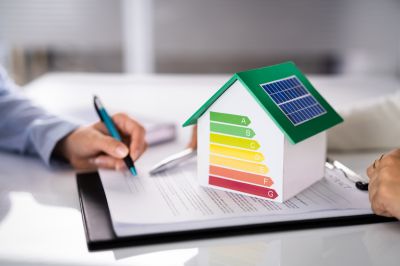
When comparing service providers for an energy audit, it’s important to consider their experience with similar types of projects. Look for local contractors who have a proven track record in performing energy assessments in residential settings comparable to your home. An experienced professional is more likely to understand the specific challenges your property might present and can provide insights tailored to your needs. Checking how long a provider has been active in the community and their familiarity with local building characteristics can help ensure you’re working with someone who understands the regional factors that influence energy efficiency.
Clear, written expectations are essential to a successful engagement with a service provider. When evaluating options, seek out those who offer detailed descriptions of their process, deliverables, and what you can expect at each stage. Having this information in writing helps prevent misunderstandings and ensures that both parties are aligned on the scope of work. Reputable local contractors will be transparent about their services and provide documentation that clarifies what is included, what isn’t, and how they approach the assessment process.
Good communication and reputable references are key indicators of a trustworthy service provider. Look for local pros who are responsive and willing to answer questions, as this can be a sign of their professionalism and dedication to customer service. Additionally, asking for references or reviews from previous clients can provide insight into the quality of their work and how effectively they communicate throughout the project. Remember, this site introduces homeowners to local options for energy audit services; it does not perform the work itself. Choosing the right service provider involves evaluating their experience, clarity of expectations, and reputation to ensure a smooth and informed process.
Property owners use Energy Audit Service services for practical projects around their homes and businesses. This guide focuses on everyday jobs and straightforward project options.
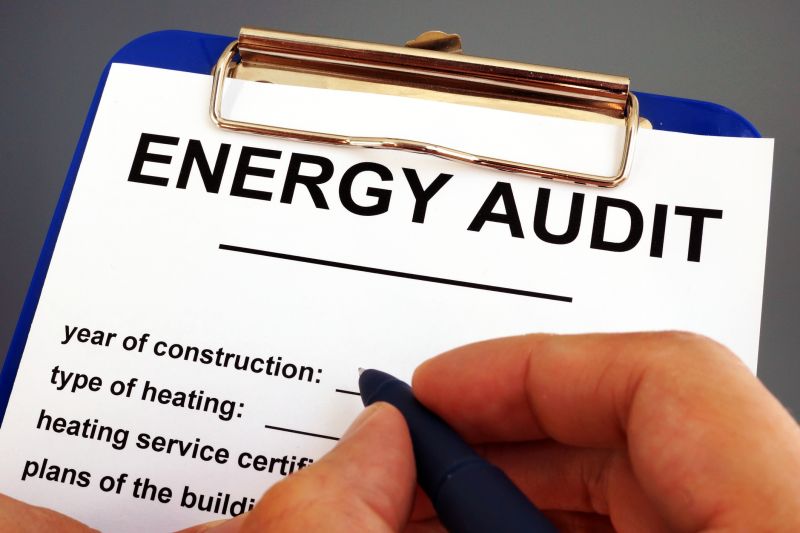
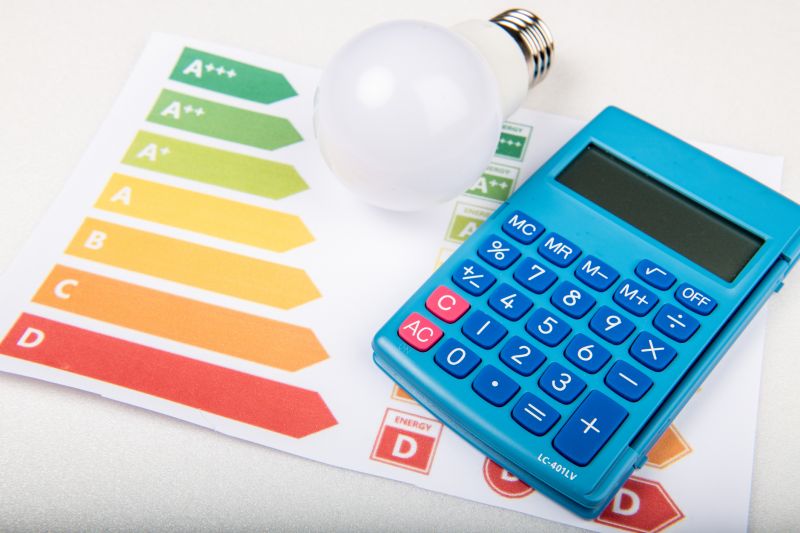
Energy audits are often sought by property owners who notice rising utility bills or uneven heating and cooling throughout their buildings. They are also common when planning renovations or upgrades, as owners want to identify areas where energy efficiency can be improved. Local contractors who specialize in energy assessments can help pinpoint issues such as air leaks, insulation gaps, or outdated systems, providing insights that can lead to long-term savings and improved comfort.
Many property owners turn to local service providers for energy audits to ensure their homes or commercial spaces are operating efficiently. These audits can be especially useful when preparing to sell a property, as potential buyers may be interested in energy performance. Whether addressing specific concerns or conducting routine evaluations, local pros are equipped to assess energy use and recommend practical improvements tailored to the property's needs.
What is an energy audit? An energy audit is an assessment conducted by local contractors to evaluate a property's energy use and identify areas for improvement.
Why should I consider an energy audit? An energy audit can help uncover opportunities to improve energy efficiency and reduce utility costs with the help of experienced service providers.
What does an energy audit include? Typically, an energy audit involves inspecting the building's insulation, heating and cooling systems, and other factors that impact energy consumption, performed by local pros.
How can a service provider help with energy efficiency? Local contractors can analyze your property, recommend upgrades, and provide solutions to optimize energy use based on the audit findings.
Is an energy audit suitable for all types of buildings? Yes, energy audits are applicable to residential, commercial, and industrial properties, with service providers tailoring their assessments accordingly.
Energy Efficiency Improvements - Use an energy audit to identify areas where heating or cooling systems can be optimized for better performance.
Utility Cost Reduction - Discover ways to lower monthly energy bills by pinpointing inefficient appliances or insulation issues.
Environmental Impact Awareness - Understand how current energy use affects your property and explore practical ways to reduce waste.
Property Value Enhancement - Leverage audit insights to make upgrades that can increase your property's appeal and market value.
If you are thinking about Energy Audit Service for a property, this guide is meant to help you understand the work, the typical project types, and how different options might fit your plans.
When you are ready, you can use the quote form on this page to share a few details about your project. From there, local pros can review the basics and respond with options that match what you have in mind.